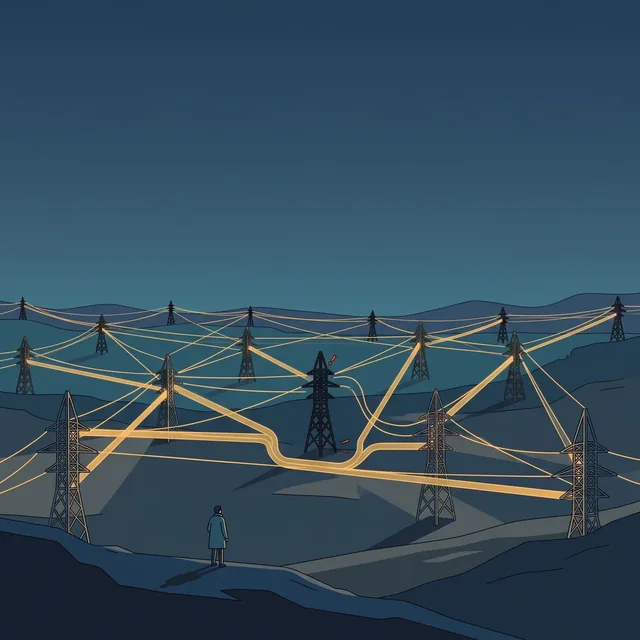
Transition periods in public policy may often require organizations to manage partial operational resets rather than clean breaks from past constraints. Navigating these hybrid environments can force managers to adapt customer workflows while physical capacity returns.
Wikipedia's current-events log for February 17, 2022 recorded that British Columbia lifted most of its COVID-19 restrictions, allowing all businesses to reopen and operate at full capacity. Wikipedia's current-events log for February 17, 2022 also recorded that in British Columbia, indoor gatherings and organized events were permitted to operate without occupancy limits. However, the log noted that British Columbia's provincial mandates requiring the use of vaccine cards for entry into businesses and the use of masks in indoor settings remained in effect.
How Can Partial Policy Rollbacks Shape Daily Operations?
When physical gathering limits disappear while access controls remain, business leaders might face a distinct set of execution challenges. Operating at full venue capacity could increase front-line traffic, yet maintaining mandatory entry checks can simultaneously create bottlenecks at point-of-sale or entry checkpoints.
In general, managing a dual regime (where spatial throughput expands but compliance friction persists) may test organizational agility. Operations teams might need to redesign physical entryways, reallocate staffing resources, and communicate changing expectations clearly to incoming guests.
A gradual policy unwinding can also influence how customers evaluate service quality. When visitors expect a total return to normal, experiencing continued entry rules may lead to confusion or frustration if expectations are not managed carefully.
What Could Phased Reopenings Mean for Systems Thinking?
From a systems perspective, partial policy changes may demonstrate that restoring capacity is rarely just about opening doors wider. Organizational leaders could benefit from considering that regulatory rollbacks may proceed in layers rather than as sudden switches.
Ultimately, operational resilience might depend far more on flexibility during partial transitions than on planning for immediate, all-or-nothing outcomes.
Sources
- Portal:Current events/2022 February 17 (revision 1072794841) - Wikipedia, 2022-02-19