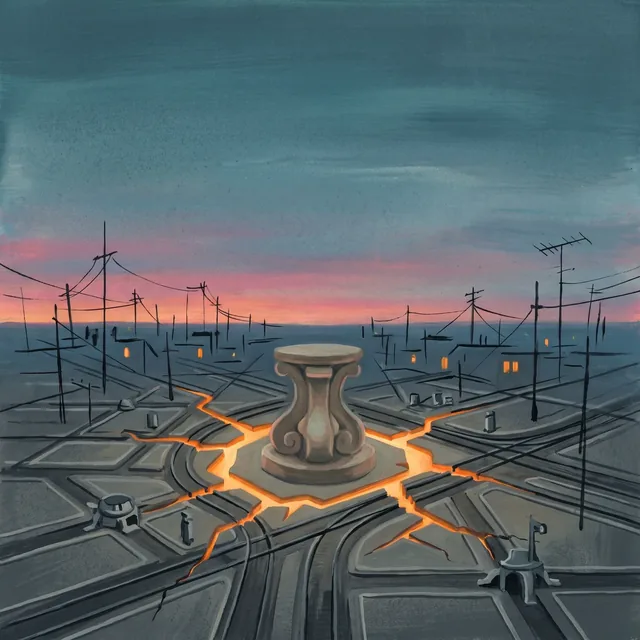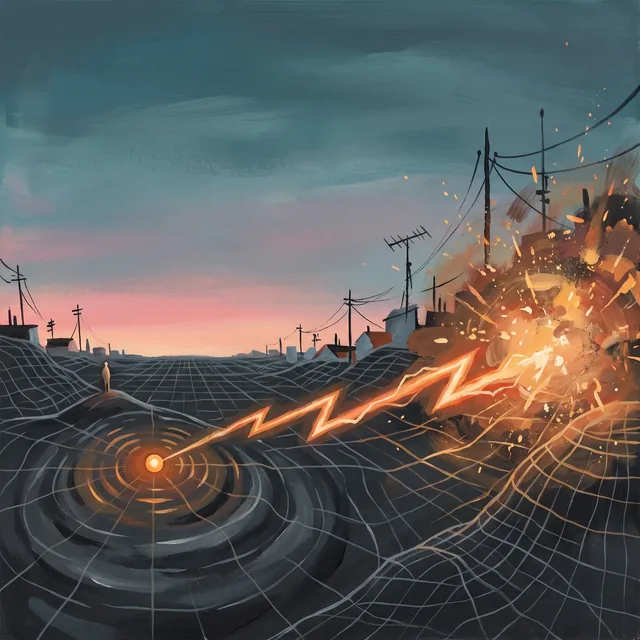
True creative resonance rarely comes from attempting to speak to a global audience all at once. Instead, it often emerges from an obsessive focus on the specific tensions and history of a single place.
In October 2006, Turkish writer Orhan Pamuk won the 2006 Nobel Prize in Literature. The Swedish Academy recognized his body of work, which deals with the nature of identity and clashing cultures. Pamuk is the first writer from a predominantly Muslim nation to win the honor since Egyptian writer Naguib Mahfouz 18 years ago.
The Architecture of Identity
The award includes a Nobel cash prize of approximately $1.6 million, and Pamuk is scheduled to receive his Nobel medal at a lavish banquet in Stockholm on Dec. 10. CNN's report described Pamuk as someone who "in the quest for the melancholic soul of his native city has discovered new symbols for the clash and interlacing of cultures".
This recognition highlights a fundamental dynamic in the creative process. By focusing intensely on the specific, melancholic soul of a distinct location, a creator can generate work that transcends geographical boundaries. The friction between different cultural forces provides raw material for examining human nature.
Creators who map the intersections of opposing worldviews do not just document history. They build frameworks for understanding modern identity. The interlacing of distinct cultures creates a complex environment where new symbols must be forged to make sense of the collision.
The most potent symbols for global connection are often found by digging deeply into the unresolved conflicts of a specific, local environment.
Sources
- Portal:Current events/2006 October 12 (revision 81345586) - Wikipedia, 2006-10-14
- Turkish novelist Orhan Pamuk wins Nobel - CBC News, 2006-10-12
- Turkish writer Pamuk wins Nobel - CNN, 2006-10-12