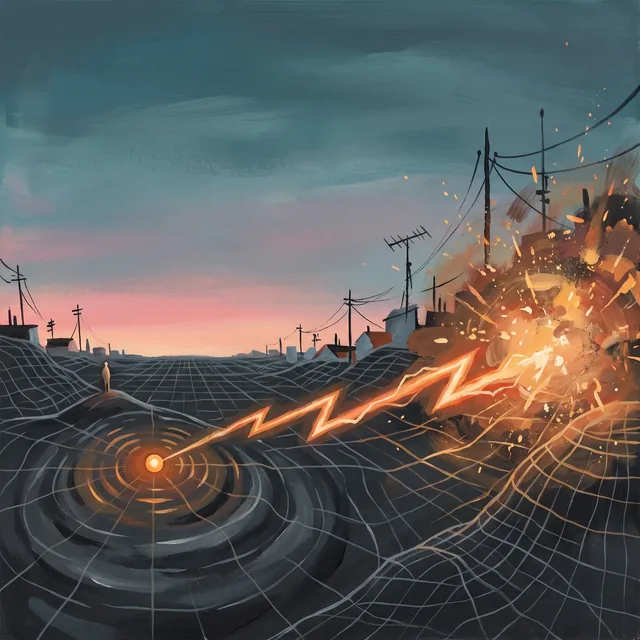
Complex systems are often brought to a halt not by structural failure, but by symbolic triggers. A single act of vandalism against a localized monument can be followed by unrest that halts a city's daily movement.
The Fragility of Urban Networks
The Deccan Herald reported the desecration of the bust of Shiv Sena supremo Bal Thackeray's late wife Meenatai at Shivaji Park on Sunday. The paper reported that thousands of enraged Shiv Sainiks took to the streets of Mumbai and other cities in Maharashtra. Hindu hardliners and nationalists rioted in and around the city.
Protesters enforced a bundh, engaging in arson and violent demonstrations. Rioters attacked a police station, burned buses, forced businesses to close, and halted public transport.
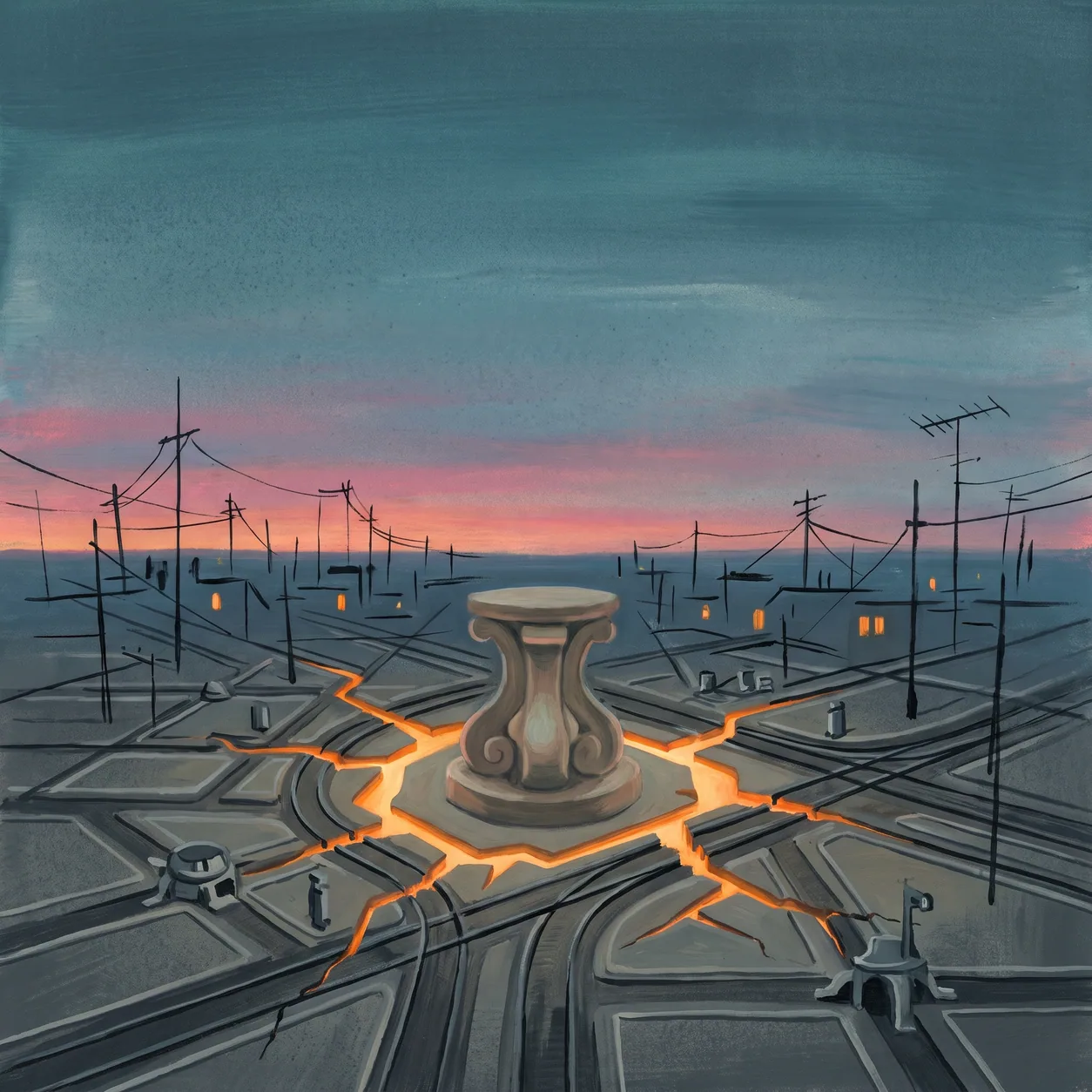
This sequence illustrates a fundamental vulnerability in urban networks. The physical infrastructure of a metropolis (its transit lines, commercial centers, and security apparatus) operates on the assumption of baseline social stability. When human judgment is overridden by collective outrage over a cultural symbol, that stability evaporates. A risk register that lists only physical failure points, such as a flooded line or a failed substation, will miss the events most likely to stop a city for a day. The symbol itself holds no mechanical function in the city's operation, yet its perceived violation acts as a master switch, capable of shutting businesses and halting public transport.
Resilience requires understanding that a network's most fragile nodes are rarely its physical bottlenecks, but rather the cultural tripwires embedded within it.
Sources
- Portal:Current events/2006 July 9 (revision 63778360) - Wikipedia, 2006-07-14
- BBC NEWS | World | South Asia - BBC News, 2006-07-09
- Deccan Herald - Front Page (10 July 2006) - Deccan Herald, 2006-07-10