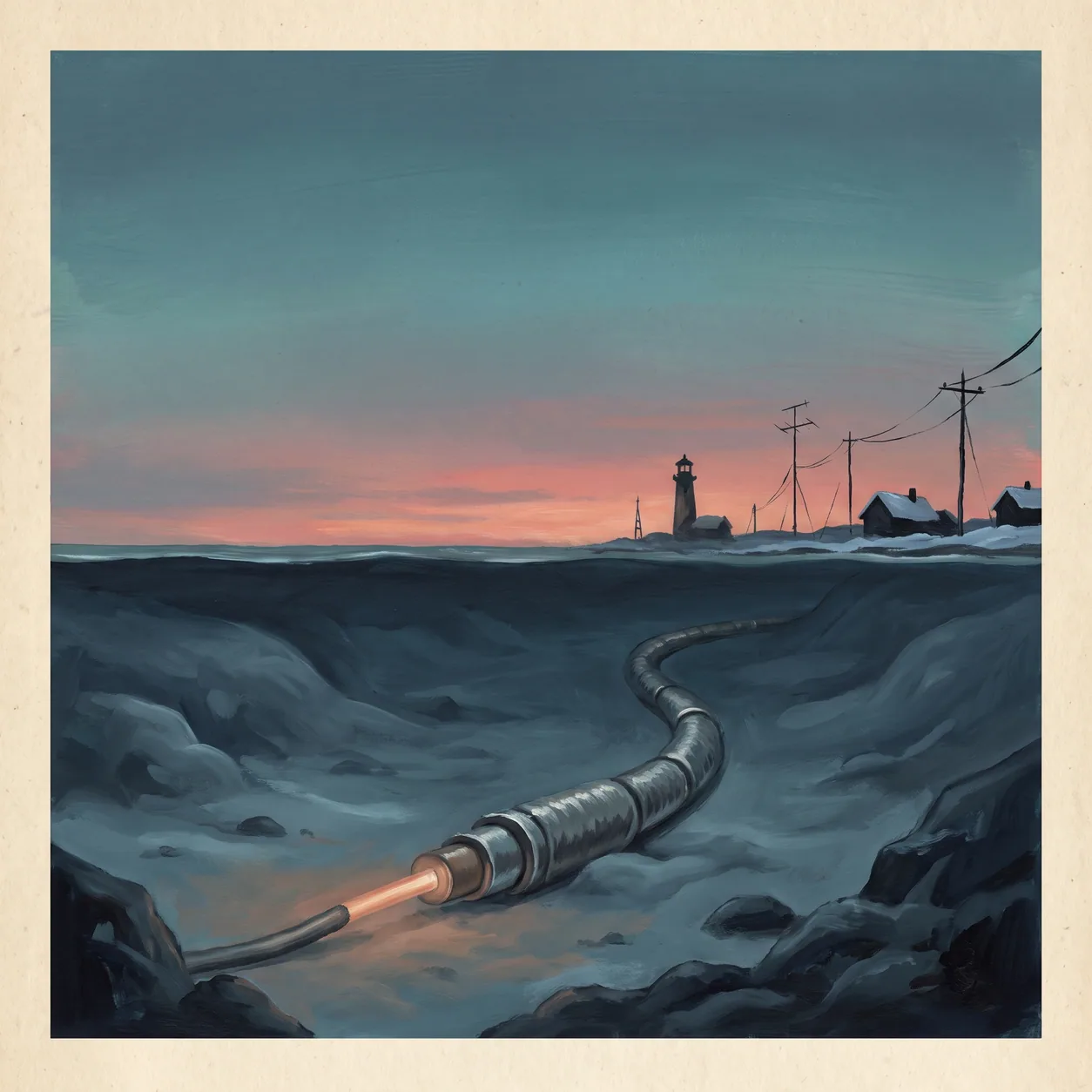
The internet is often imagined as a decentralized, resilient web of connections. Yet its capacity relies heavily on physical infrastructure resting on the ocean floor, where localized disruptions can sever connectivity for entire regions.
The Physical Limits of Digital Networks
On Friday, officials said an undersea cable carrying Internet traffic was cut off the Persian Gulf emirate of Dubai. This marked the third loss of a line carrying Internet and telephone traffic in three days.
Wikipedia's current-events log for February 1, 2008, recorded that the FALCON fiber-optic submarine communications cable was cut two days after the SEA-ME-WE 4 and FLAG cables were damaged. CNN reported that it was unclear what caused the damage to FLAG's FALCON cable about 50 kilometers off Dubai.
Designing for Infrastructure Vulnerability
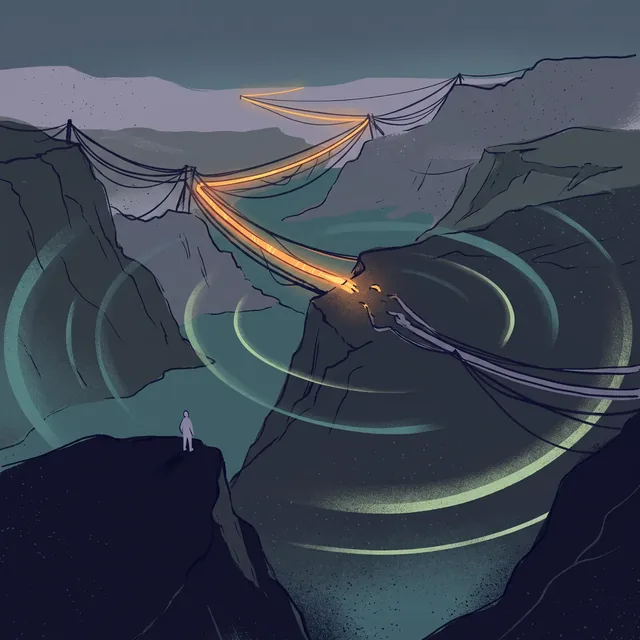
When multiple physical lines fail in rapid succession, the theoretical redundancy of digital networks is tested against the physical reality of geography. Software architecture assumes continuous data flow, but the physical layer remains exposed to environmental hazards and mechanical disruptions.
These incidents highlight the tension between virtual scale and physical chokepoints. The concentration of submarine cables in specific maritime corridors creates inherent vulnerabilities for global communications. Builders of digital systems must account for the physical layers their platforms depend on, recognizing that data is ultimately bound by hardware.
True system resilience requires looking past software architecture to the physical realities of the infrastructure that carries it.
Sources
- Portal:Current events/2008 February 1 (revision 188597722) - Wikipedia, 2008-02-02
- Third cable damage worsens Internet outage - CNN, 2008-02-01