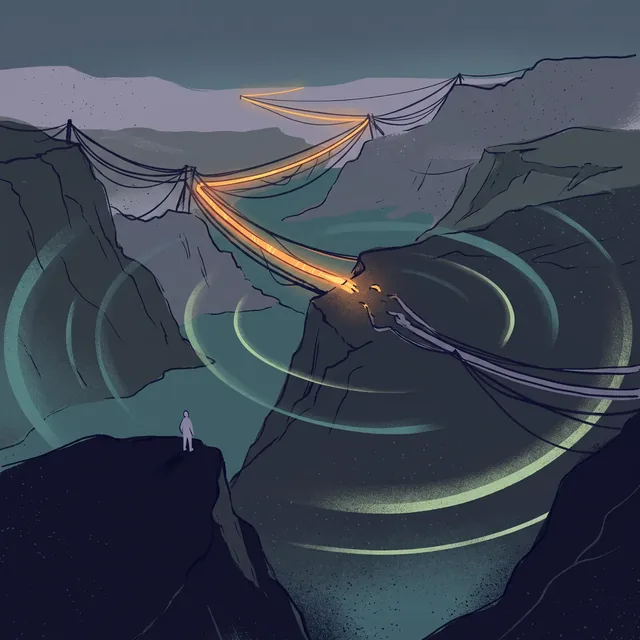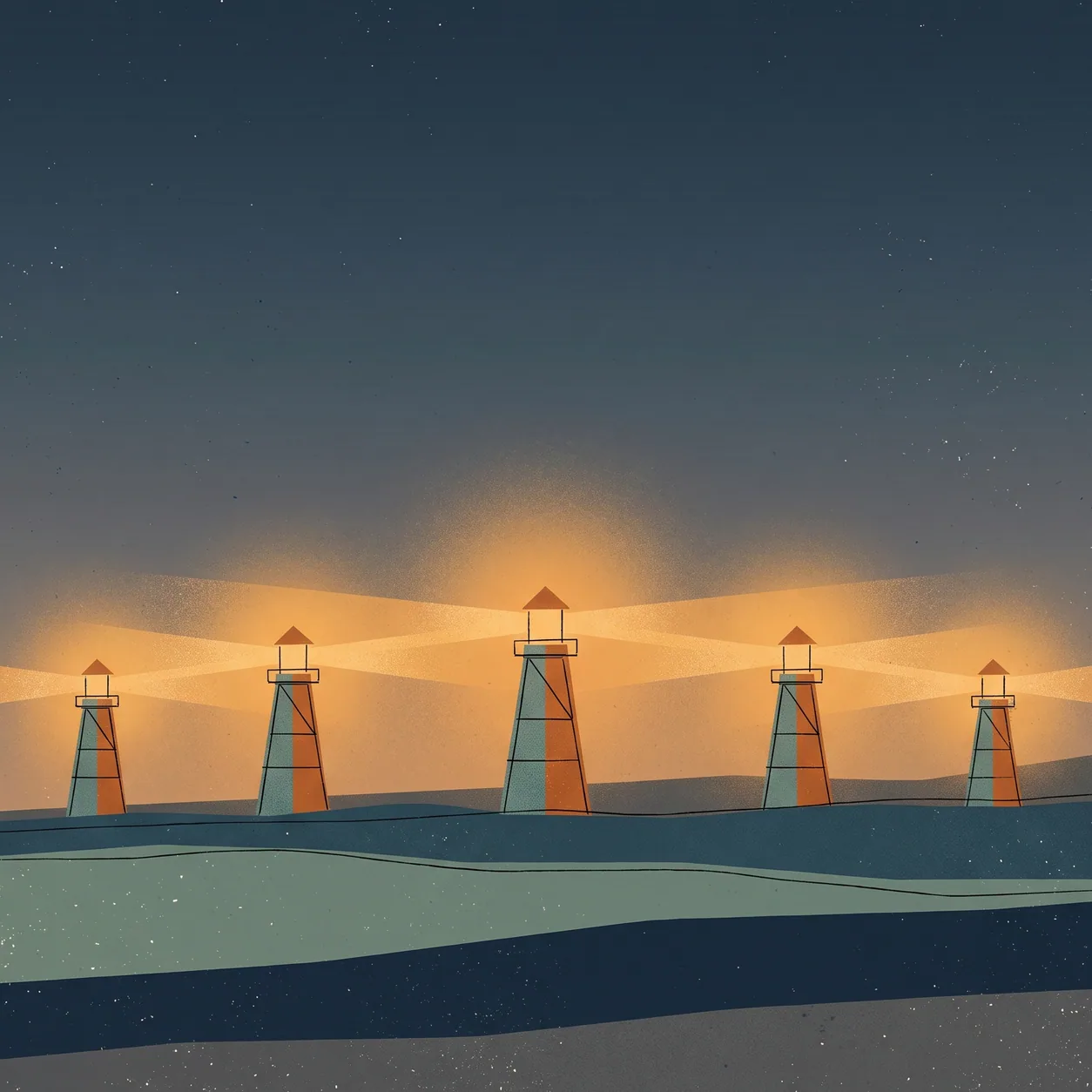
Infrastructure changes may not happen in isolation. Upgrading the core of digital networks can involve rivals moving together and accepting some short-term risk.
On June 8, 2011, major websites, such as Google, Facebook, and others, participated in World IPv6 Day. Google wrote that, at midnight UTC on June 8, all the participants will enable IPv6 on their main websites for 24 hours. It added that participation in World IPv6 Day had grown to more than 400 organizations.
Distributing the Risk of Disruption
Testing a new protocol at this scale carried potential downsides for users. Google estimated that .05% of systems might fail to fall back to IPv4, so some people may find Google, Facebook, Yahoo, Bing and other participating websites slow or unresponsive on World IPv6 Day.
One reading is that a coordinated day can act as a wide test of network architecture. Moving together may let competing platforms share the risk of disruption rather than each carrying it alone. If a single company attempts a fundamental protocol change alone, any resulting connectivity issues might be blamed on that specific service, potentially driving users to competitors. A coordinated day of testing may help present possible outages as a shared step in maintenance.
Large technology changes may often rely on collective action to find edge cases in a live environment. Progress at the infrastructure level may depend less on individual product launches and more on the willingness of rivals to flip the switch at the exact same time.
Sources
- Portal:Current events/2011 June 8 (revision 436983526) - Wikipedia, 2011-06-30
- Official Google Blog: World IPv6 Day begins 24 hours from now. Websites, start your engines. - Official Google Blog, 2011-06-07