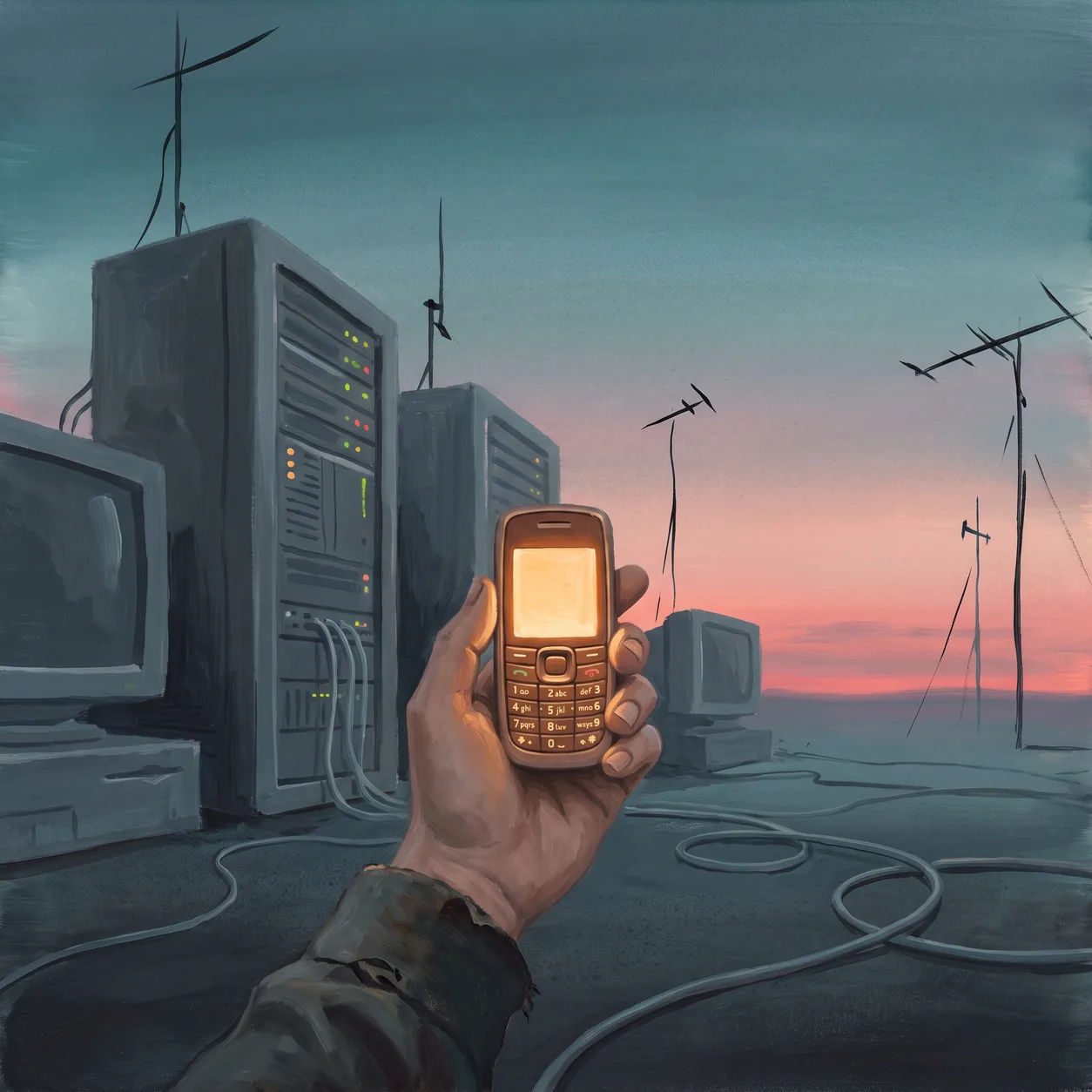
The center of gravity in information technology is moving from the desk to the pocket. The argument here is that, when the industry gathers to show its newest work, personal hardware is starting to take the spotlight from traditional computing infrastructure.
In March 2006, the CeBIT trade fair opened in Hanover, Germany. The 2006 exhibition was scheduled to run from March 9 through March 15.
Read together, the news coverage of the fair points toward consumer hardware. Gadget fans got their fix at the trade fair. While new gadgets and gizmos were on display across the German expo, mobile phones specifically emerged as the star attractions of the hi-tech fair.
Why Mobile Hardware Commands the IT Stage
This shift reveals a fundamental change in product thinking. The definition of information technology is expanding beyond stationary terminals and server rooms to encompass the devices people carry everywhere. When mobile phones become the focal point of the world's largest IT gathering, it signals that mobility is no longer a niche sub-category of tech: it is the main arena for hardware innovation.
For hardware designers and software developers, this environment dictates new priorities. Power efficiency, interface design on small screens, and wireless connectivity are becoming the primary constraints that drive product development. The convergence of communication and computing into pocket-sized devices forces a reevaluation of how users interact with digital systems.
The true measure of technological influence is no longer the physical footprint of the machine, but how smoothly its capabilities integrate into daily human movement.
Sources
- Portal:Current events/March 2006 (revision 46387345) - Wikipedia, 2006-03-31
- Heise Online - CeBIT Special - Heise Zeitschriften Verlag, 2006-03-03
- BBC News - Technology - BBC, 2006-03-08