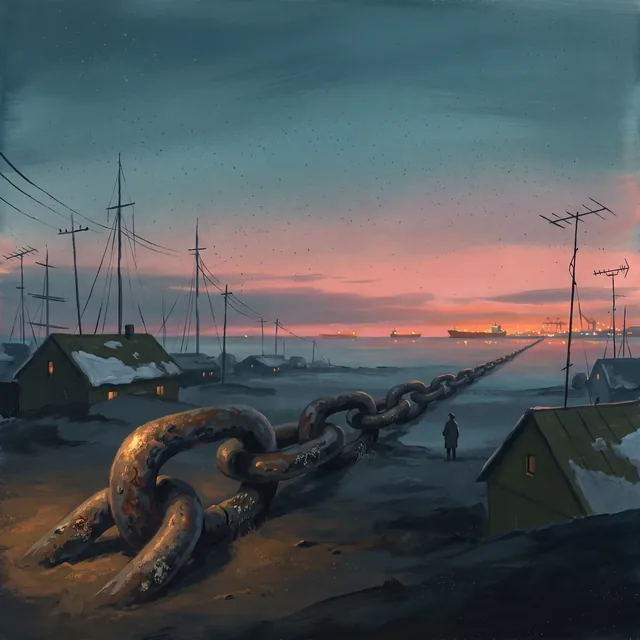
High-performance cultures may sometimes risk overstepping boundaries in pursuit of competitive advantages. In aggressive environments, systemic incentives can push teams to prioritize immediate execution over sustainable practices.
Wikipedia's current-events log for January 13, 2020 recorded that Houston Astros general manager Jeff Luhnow and manager A. J. Hinch were suspended by Major League Baseball for the entire 2020 season and were also fired by the organization. MLB.com reported that Astros general manager Jeff Luhnow and manager AJ Hinch were each suspended without pay for the 2020 season by Major League Baseball. MLB.com added that as part of the penalties, Houston forfeits its first- and second-round picks in the 2020 and 2021 MLB Drafts. In addition, MLB.com reported that the Astros were fined $5 million, which is the highest allowable fine under the Major League Constitution.
How Severe Penalties Might Reshape Organizational Boundaries
When governing bodies impose heavy penalties, leadership structures can break down rapidly. The loss of executive leadership and future asset capital might severely alter an organization's strategic trajectory. Leaders who focus strictly on immediate operational performance may fail to anticipate how regulatory oversight can intervene. Without clear internal constraints, competitive intensity might encourage behaviors that imperil the whole enterprise.
A reliance on unchecked tactical shortcuts might deliver visible efficiency gains in the short term, but it can leave an enterprise vulnerable to sudden institutional disruption. Operational leaders who prioritize immediate wins can easily misjudge the compounding risk of regulatory enforcement. In complex competitive systems, robust internal checks may be essential to guarantee that tactical agility does not undermine broader organizational legitimacy.
Why Governance May Outweigh Tactical Execution
When internal compliance mechanisms prove insufficient, external sanctions might impose penalties that far outweigh any temporary operational advantage. Substantial financial fines combined with the forfeiture of future development opportunities could impair an organization's competitive posture across several operational cycles. Sound strategic planning might therefore require placing long-term governance ahead of localized performance metrics.
Ultimately, long-term resilience may depend far more on principled leadership than on aggressive tactical experimentation.
Sources
- Portal:Current events/2020 January 13 (revision 936244926) - Wikipedia, 2020-01-17
- Astros' Jeff Luhnow, AJ Hinch suspended for 2020 | MLB.com - MLB.com, 2020-01-13