Automation is often judged by whether it can do a demanding job without someone steering it. A delivery in a harsh setting is one way to test that.
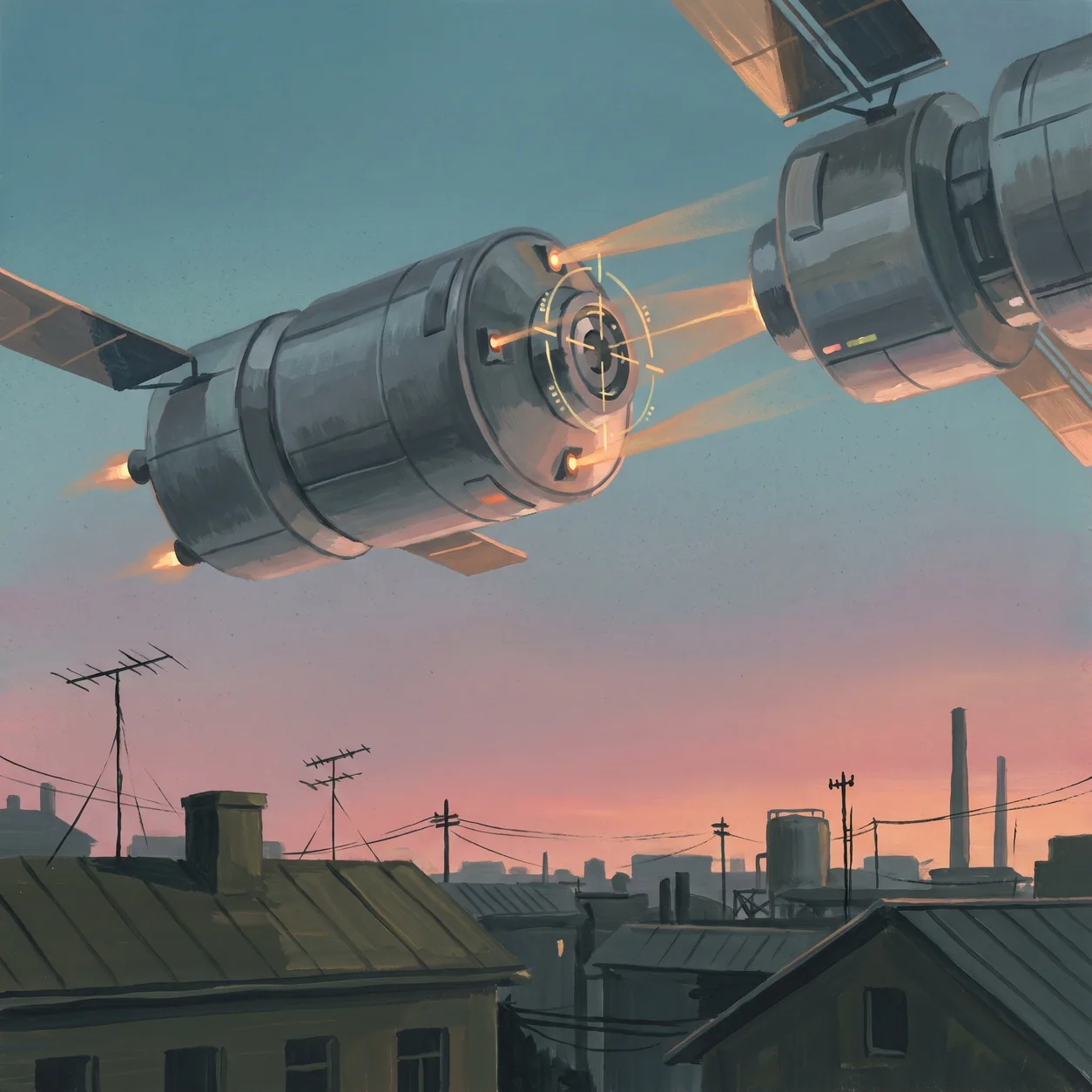
On March 9, an Ariane 5 rocket launched the Jules Verne from Kourou, French Guiana. The spacecraft is the first European Automated Transfer Vehicle.
Wikipedia's current-events log for April 3 recorded that the vehicle successfully performed a fully automated docking with the International Space Station. NASA reported that the vehicle docked to the aft port of the station's Zvezda Service Module at 10:45 a.m. EDT on Thursday.
Removing bottlenecks in remote operations
The vehicle carries more than 7,500 pounds of equipment, supplies, water, fuel and gases for the station.
In general terms, any task that depends on a person at the controls is limited by that person's time and attention. Handing part of the task to an automated system can ease those limits, though it brings its own risks.
One reading of an automated docking is that it changes where attention is spent. Less of it may go to the arrival, and more to what is delivered.
Systems that can finish a delivery on their own may matter for logistics well beyond space. Some technological steps do not always introduce entirely new capabilities. Their effect can lie in making a demanding task more routine.
Sources
- Portal:Current events/2008 April 3 (revision 205927453) - Wikipedia, 2008-04-16
- Jules Verne ATV Docks to Station - NASA, 2008-04-03