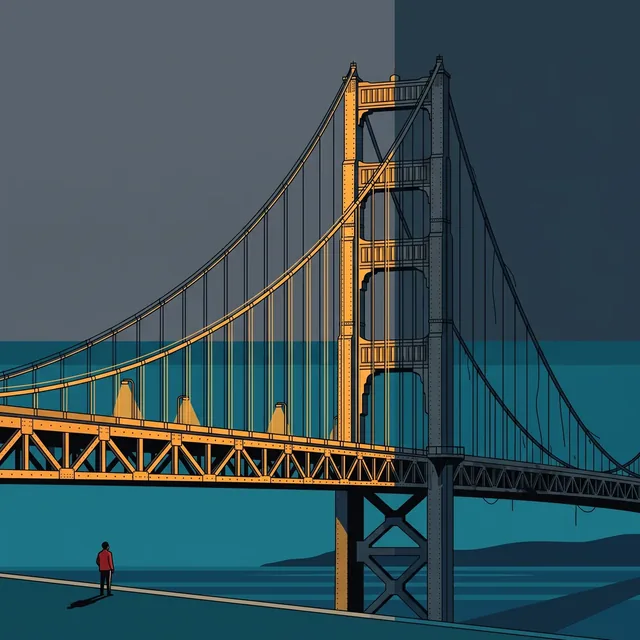
Modern execution strategies may focus on immediate goals while overlooking the layers beneath a physical site. Every modern initiative might operate on ground that has already been shaped, inhabited, or constructed by earlier generations of builders.
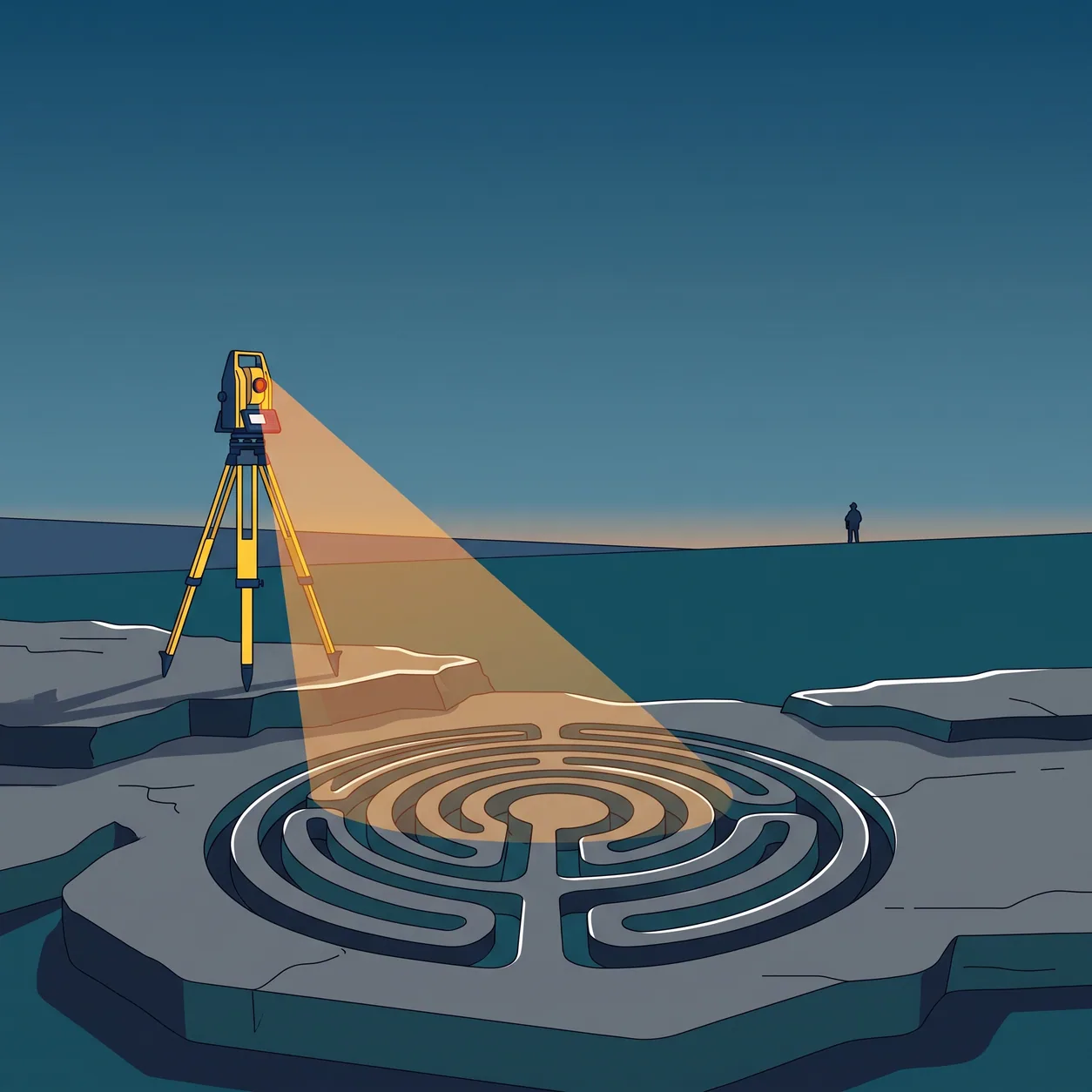
Wikipedia's current-events log for June 12, 2024 recorded that the Greek Ministry of Culture announced the discovery of a large Bronze Age-era Minoan architectural construction used between 2000–1700 BC at the construction site of the Kasteli Airport in Crete.
An unexpected encounter with legacy architecture could force project leaders to balance forward momentum with careful site preservation. When modern development uncovers ancient human work, standard timelines might require immediate adjustments to honor historical value. Such moments might illustrate that progress is not always linear in complex environments.
How unexpected physical history can reshape modern execution
Project managers might often assume that initial surveys account for all hidden variables across a work zone. However, deep historical layers could surface at any point during active excavation or implementation. In general, organizational leaders who leave room for unforeseen discoveries might navigate sudden structural pauses far more effectively than those with rigid operational assumptions.
Furthermore, taking time to examine structural origins can offer useful perspective for ongoing systems design. Recognizing that earlier builders worked the same ground long ago might serve as a humbling reminder of human endurance. Leaders who accept the potential presence of prior history could arguably design resilient systems that respect both past heritage and future necessity.
What legacy encounters can teach present leaders about risk
Modern planning might benefit from recognizing that present infrastructure may be one recent addition to an ongoing landscape. When teams remain open to shifting their operational approach upon encountering historical artifacts, they may turn unexpected delays into valuable opportunities for strategic reflection. Balancing immediate needs with legacy context could ultimately produce far stronger long-term outcomes.
In complex systems, honoring ancient remains can perhaps reveal how current endeavors fit into a much broader continuum. A willingness to pause when old realities surface may demonstrate true institutional maturity and adaptive foresight.
True project durability might depend on a team's willingness to integrate unexpected history into future progress.
Sources
- Portal:Current events/2024 June 12 (revision 1229208662) - Wikipedia, 2024-06-15-06-15