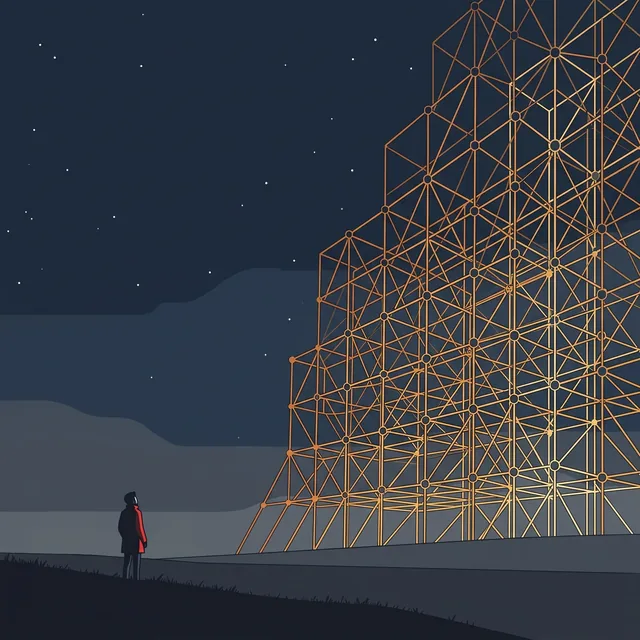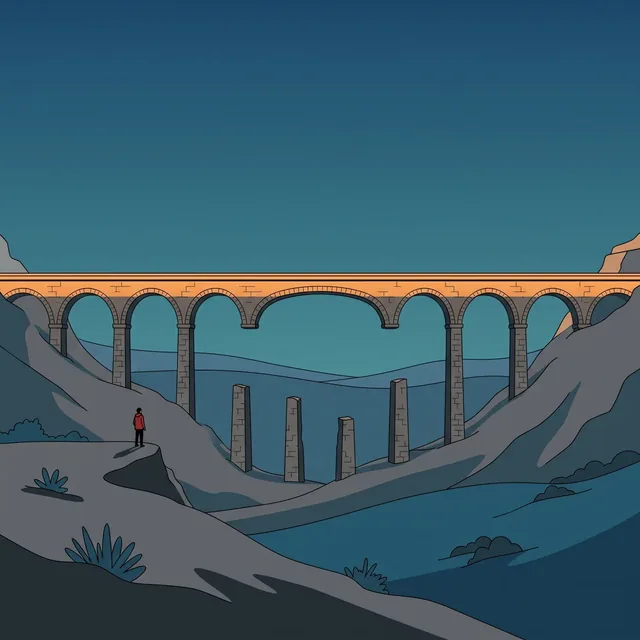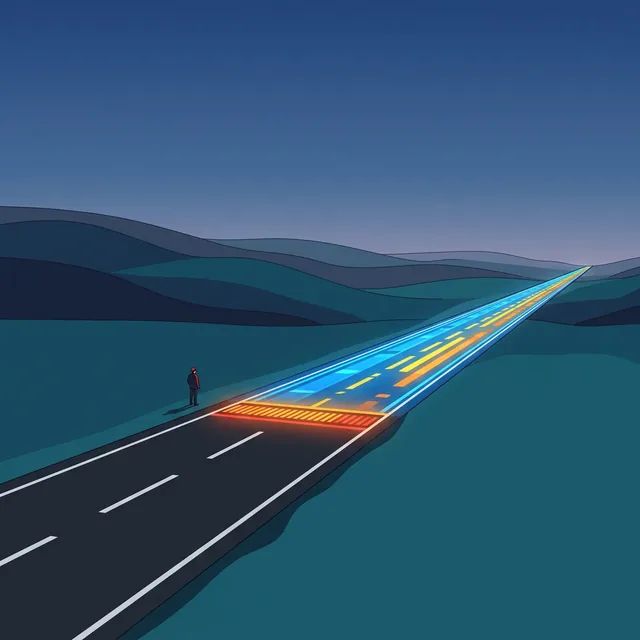
Designing global infrastructure may require choosing between mirroring messy natural realities or enforcing clean, predictable logical models. Standardizing time across digital systems may become complicated when artificial standards must continuously adapt to physical phenomena. Nature reported that on 18 November, representatives of governments worldwide at the General Conference on Weights and Measures (CGPM) outside Paris made a decision regarding global timekeeping. Wikipedia's current-events log for November 18, 2022 recorded that the General Conference on Weights and Measures voted to stop synchronizing UTC to the standard mean solar time measurement UT1 by 2035.
How Technical Standards Might Evolve Away From Astronomy
Nature also reported that the practice of adding leap seconds to official clocks to keep them in sync with Earth's rotation will be put on hold from 2035. Nature reported that the CGPM, which also oversees the International System of Units, proposed that no leap second should be added for at least a century. The International Bureau of Weights and Measures page for the 2022 meeting of the CGPM lists CGPM Resolution 4 (2022), On the use and future development of UTC.
Why Eliminating Operational Anomalies Can Strengthen System Resilience
For software engineers and system architects, irregular adjustments may often introduce unexpected failure modes into complex digital environments. When distributed systems rely on precise cryptographic timestamps and synchronized logs, introducing discrete leap seconds might lead to application crashes or transactional inconsistencies. Time synchronization protocols could potentially misinterpret a repeated or skipped second, which might cause distributed databases to fail consensus checks or corrupt event sequences.
In general, software design may benefit from predictable, monotonic clocks that move forward at an unchanging rate. Forcing digital infrastructure to accommodate planetary irregularities might create unnecessary technical debt across modern server fleets. Systems that prioritize deterministic mathematical progression over physical solar tracking can arguably achieve far greater fault tolerance.
Furthermore, managing human-driven schedule exceptions across global networks may impose continuous operational overhead. When engineering teams must account for periodic, non-standard updates, the likelihood of human oversight during maintenance cycles could naturally increase. Shifting toward continuous, unbroken time tracking may eliminate an entire class of potential edge cases in software design.
Building durable digital infrastructure might ultimately depend on prioritizing clean mathematical continuity over physical planetary alignment.
Sources
- Portal:Current events/2022 November 18 (revision 1122975008) - Wikipedia, 2022-11-21
- The leap second’s time is up: world votes to stop pausing clocks - Nature, 2022-11-18
- 27th meeting of the CGPM (2022) - BIPM - International Bureau of Weights and Measures (BIPM), 2022-11-18